A short Provençal glossary: words and expressions you should know for your vacation in Provence Sud Sainte Baume

Why do we hear so many Provençal words in the Var region?
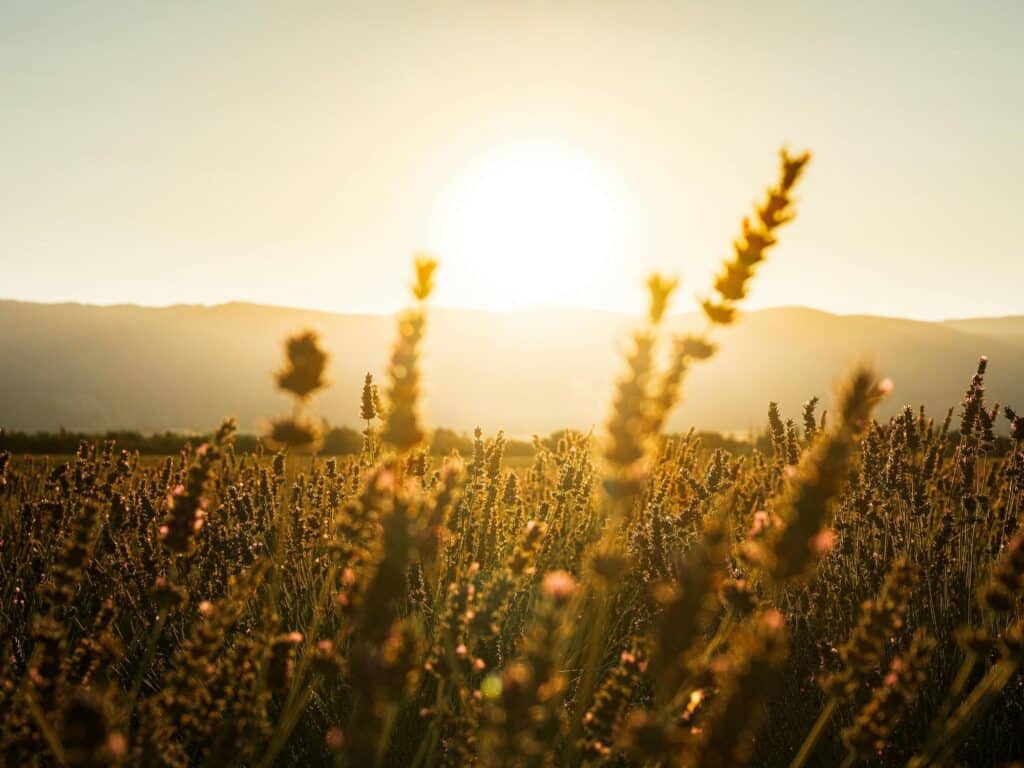
If we still hear Provençal words and expressions today in the Var, it is because this language is an integral part of the history and identity of the region. Provençal is a variant of Occitan, a Latin language spoken in the south of France since the Middle Ages. For centuries, it was the language of everyday life. It was spoken at home, in villages, at markets, and so on.
French, meanwhile, gradually became the official language and the language of education... But, being the rebels that we are, Provençal never completely disappeared. In the Var region, it was mainly passed down orally, from generation to generation. As a result, even though few people speak it fluently today, many words, expressions, and intonations have remained very much alive in everyday language.
It is important to understand that we do not use them to appear "old-fashioned" or to show off our origins in a somewhat pretentious way, but because they are part of the local dialect, just like the accent. Thus, speaking Provençal, or rather using a few words, is also a way of affirming an identity and attachment to the region.
For visitors, hearing them is part of the experience of their stay, just like the landscapes, the markets or moments shared on a terrace.
Everyday Provençal vocabulary
The words you will hear as soon as you arrive
Pitchoun
An affectionate word, very common.
This is undoubtedly one of the best-known words. A pitchoun is a child, a little one, a toddler. You will hear it used, for example, on the beaches of Saint-Cyr-sur-Mer, in the playgrounds of Castellet , or in the village squares of the hinterland.
✅ Example of use: "The little one wants to go swimming again!"
Fada
Crazy, endearing, original.
Being fada means being a little crazy, but in a good way. This adjective describes someone who is unique, offbeat, sometimes dreamy, and always endearing. In Provence, the word is rarely used in a negative way. It actually tends to make people smile. It is used with a pronounced accent.
✅ Example of use: "Are you going out in the mistral? But tié crazy!"
Peuchère
The word you don't want to embody.
This is a typically Provençal word that is difficult to translate, yet is used in various tones and with different intentions. You will hear it often, especially among older people. It means "the poor man" and conveys both tenderness and pity. That said, it is never used in a malicious way, but perhaps with a touch of irony.
✅ Example of use: "Oh dear, he missed the bus..."
Nobody
The word that means "nothing."
Dégun simply means "nobody" or "nothing." It is a word widely used by both the older and younger generations, in both written and spoken language. And, to tell you the truth, we love it because it clearly marks our territory. If you use it yourself, there's no doubt that you'll be taken for a local.
✅ Example of use: "There was no one on the beach this morning!"
Provençal expressions that set the tone
How are you?
The sentence that starts the conversation.
Here is a local way of asking "how are you?" You may occasionally hear its French version, "comment il/elle va ?!" In general, we only use this expression with people we know. It is accompanied by either a kiss (only two in this region) or a handshake. So don't use it with a stranger. More than just a question, every good conversation here begins with these few words.
✅ Example of use: "Oooh! How are you?"
Skate-coffin
The local "etc."
A colorful exclamation used to express surprise, annoyance, or astonishment. Impossible to translate word for word, this phrase is always very expressive. Sometimes, people even take it a step further to emphasize the unpleasantness by saying "et patin, et couffin!" (roughly translated as "and skate, and cradle!"). You may hear it during a lively discussion at a market or during cocktail hour.
✅ Example of use: "To go to the beach, he wanted to take the towel, sunscreen, book, shoes, bucket, shovel... and his skateboard!"
Fears no one
Expression popularized by IAM.
If you have been following this article, you will quickly understand that this phrase literally means "he fears no one." It is a proud acclamation that evokes courage, tenacity, and sometimes stubbornness. Ultimately, it fits perfectly with the Provençal spirit: frank, direct, and unapologetic. Note that it can be used humorously by younger people.
✅ Example of use: "Of course I book my hotel the day before for the next day, I'm not afraid of anyone!"
Well, well!
A word that has nothing to do with your faith.
Here is a first expression, or rather regional punctuation, that you will hear both in Bandol, Beausset, Marseille, or Toulon. "Ma foi" is used to emphasize a point, to show that something is certain, obvious, or logical.
✅ Examples of use: "Well, of course my tomatoes are from here!"
Words from Provence to describe landscapes
scrubland
Terrace
The favorite low wall of the vineyards.
A restanque is a dry stone wall, typical of Provençal landscapes. These walls shape the hillsides and bear witness to ancient expertise, particularly in vine cultivation. Yes, because in our region, local grape varieties thrive on these low walls that are well exposed to the sun. You will therefore see this type of scenery during your trips to the hinterland, near wine estates.
Calanque
An even better preserved cove.
A calanque is a geological term that refers to a beach, usually pebbly, surrounded by hills or cliffs. The Port d'Alon calanque is located in Saint-Cyr-sur-Mer is a perfect example. It is a bay protected by two large rock barriers on either side.
Farmhouse
The country villa.
The word "mas," which can be pronounced with or without stressing the "s" at the end, refers to a traditional Provençal house, often isolated and surrounded by nature. This word immediately evokes the countryside, tranquility, and authenticity. It inspires many connoisseurs to dream of barbecuing on a summer evening, by lantern light, to the sound of cicadas...
The Provençal lexicon of food and conviviality
Farigoule
The scent of our hills.
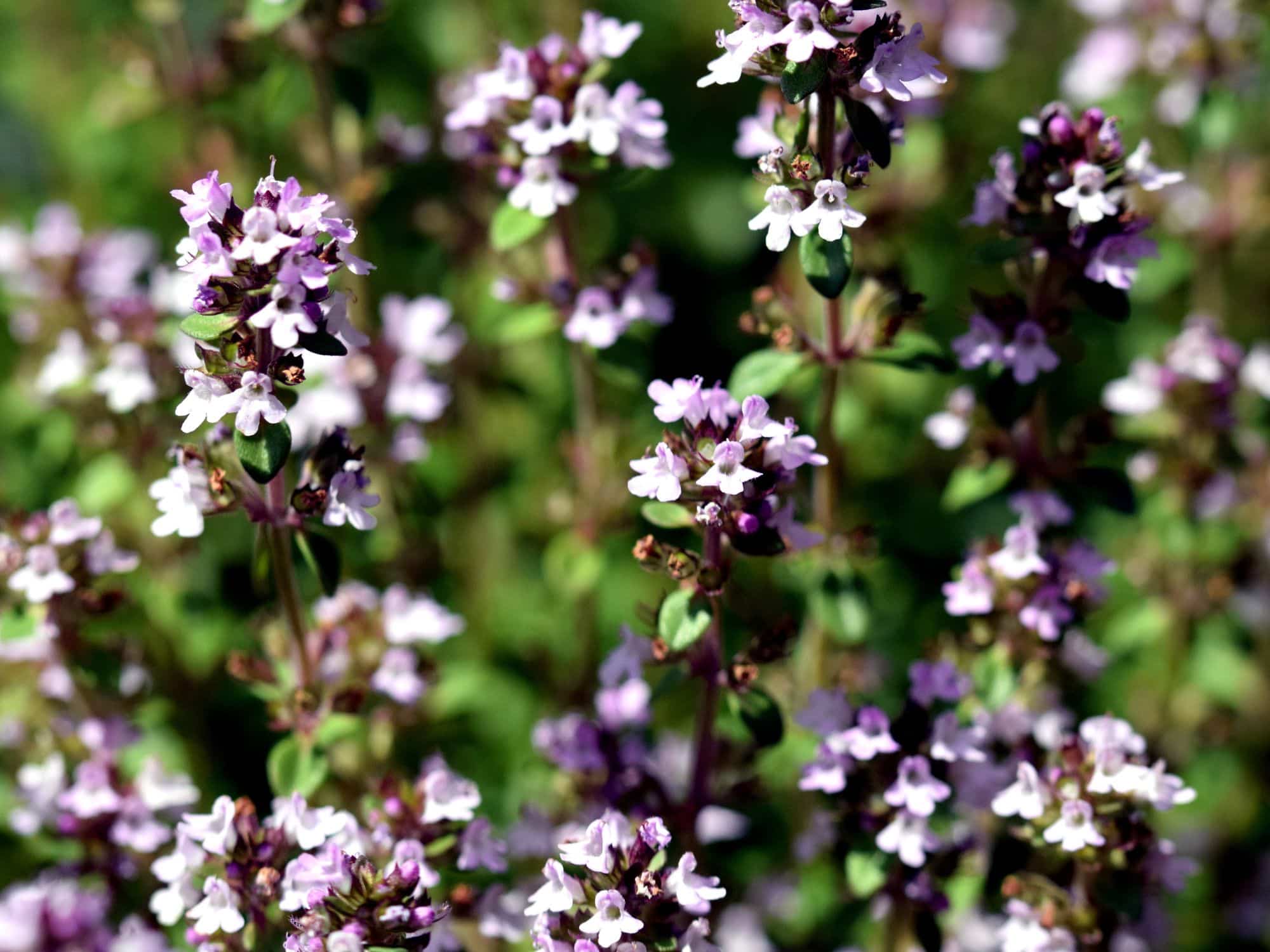
It's thyme. A word you'll find at markets, in recipes and sometimes even in discussions among cooking enthusiasts. Not to be confused with barigoule, which refers to a way of preparing pan-fried artichokes... That said, you can definitely put farigoule in a barigoule!
Aioli
Local veal blanquette.
Aioli is much more than a dish; it is a symbol of sharing. It represents a convivial moment, often with family, where people take the time to get together, chat, and laugh. Aioli refers both to a mayonnaise with a delicious garlic flavor and to the dish as a whole. The latter consists of steamed vegetables (carrots, potatoes, green beans), hard-boiled eggs, white fish, and, of course, the garlic sauce that brings everything together.
Wolf
He doesn't walk, he swims.
If you have the opportunity to browse the stalls at the fish market in Sanary-sur-Mer, you may come across the sea bass. No, we're not talking about the one with a reputation for eating little children, but a species of Mediterranean fish. On the Atlantic side, it is also called the "Bar."
Pastaga
The family anise.
Another essential drink in our region after wine, pastaga simply refers to pastis*, but in a more informal way. It is used, for example, to offer an aperitif on a terrace with friends. It can even be mixed with orgeat syrup to become, before your very eyes, what is known locally as a "Mauresque."
* Please note that alcohol should always be consumed in moderation.
In Provence Sud Sainte Baume, these words are part of the journey... In Bandol, Saint-Cyr-sur-Mer, Sanary-sur-Mer, in the hilltop villages of Le Castellet or La Cadière-d'Azur, the sun-drenched landscapes and the sea's gentle embrace create an atmosphere that is both peaceful and invigorating. La Cadière-d'Azur, as well as in the hinterland of Le Beausset, Signes, and Riboux, these words are part of the landscape. They describe a region, a culture, and a way of welcoming visitors. Now that you know them, all you have to do is come and hear them, understand them, and experience them for yourself.