Posidonia makes a comeback on Var beaches
What is posidonia?
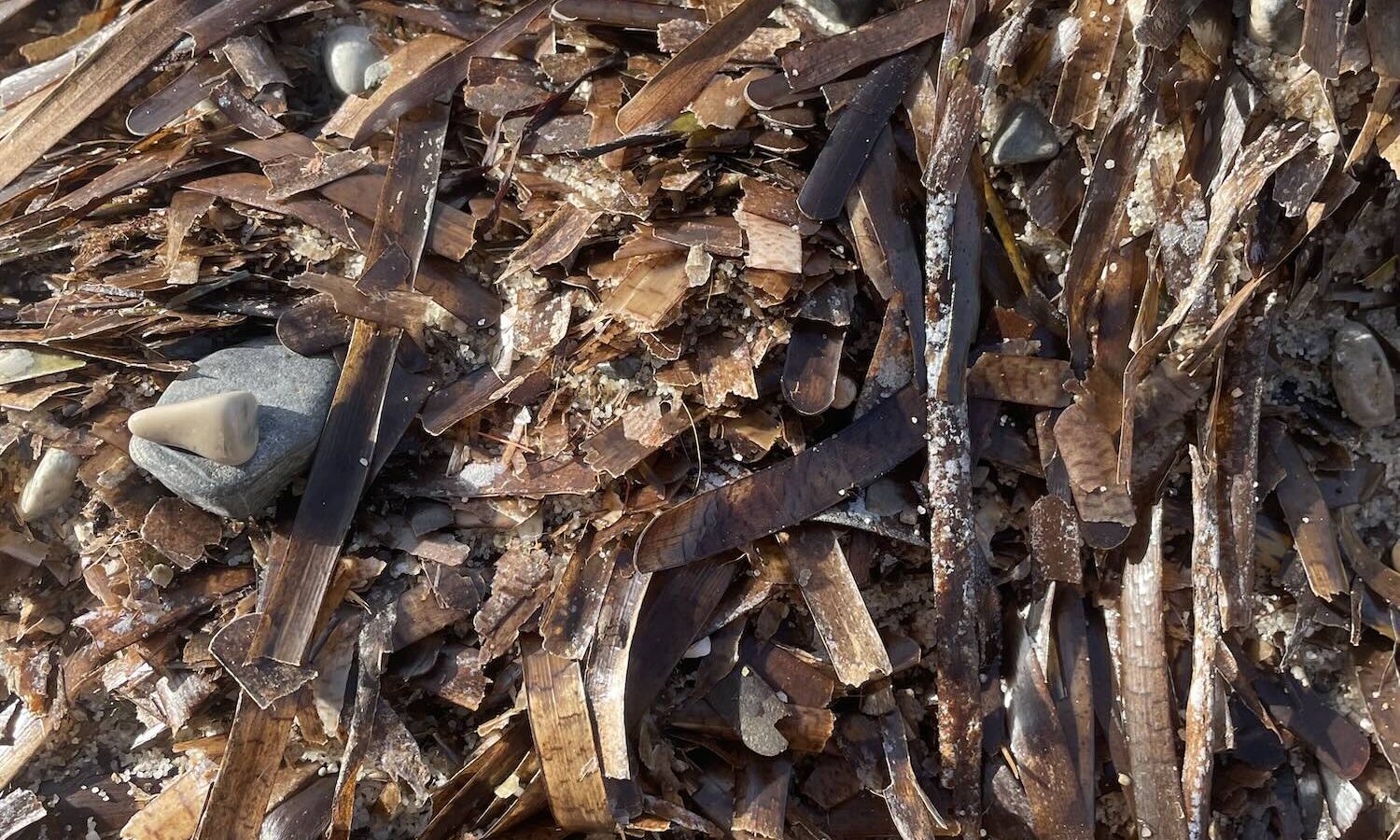
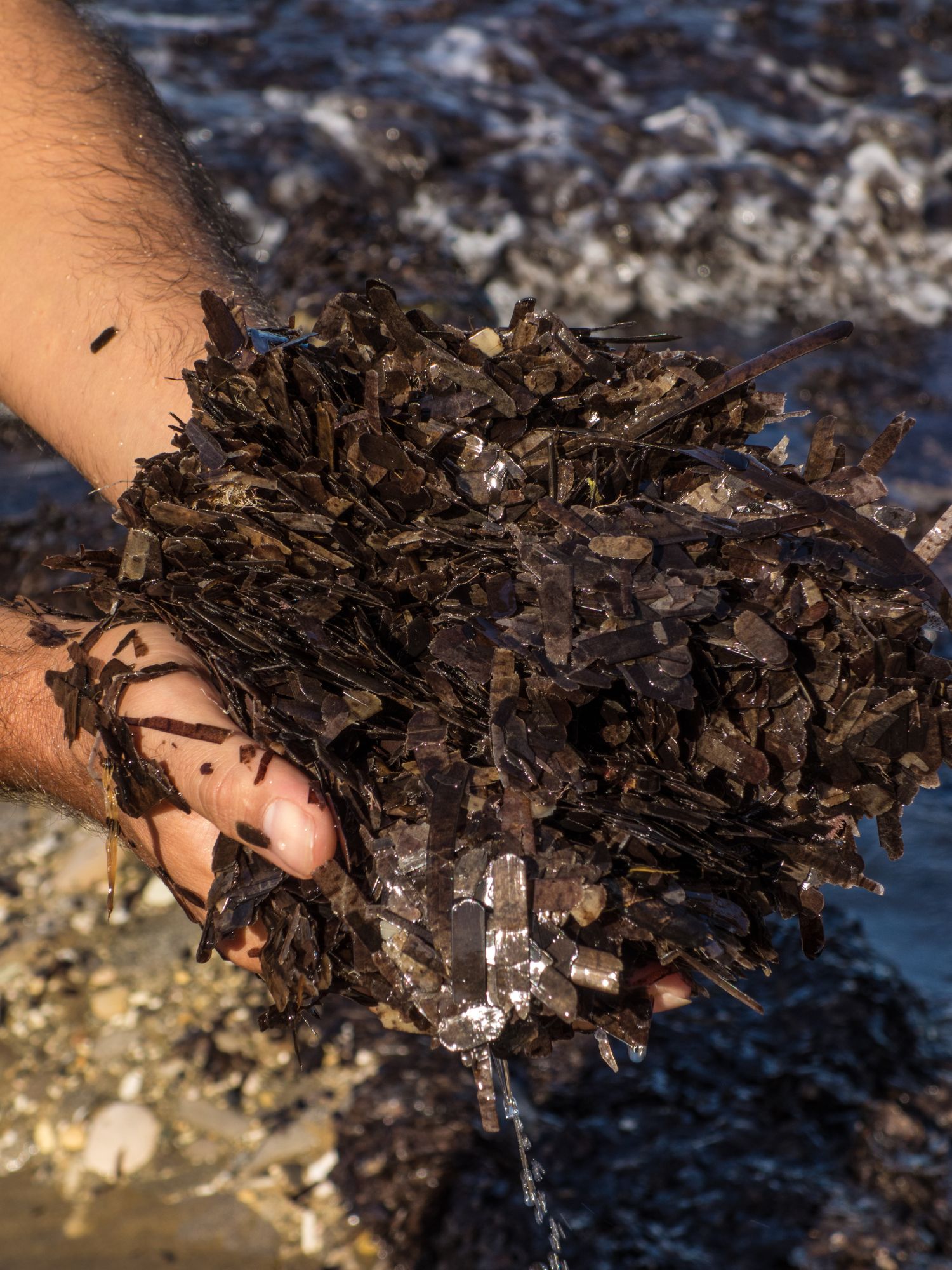
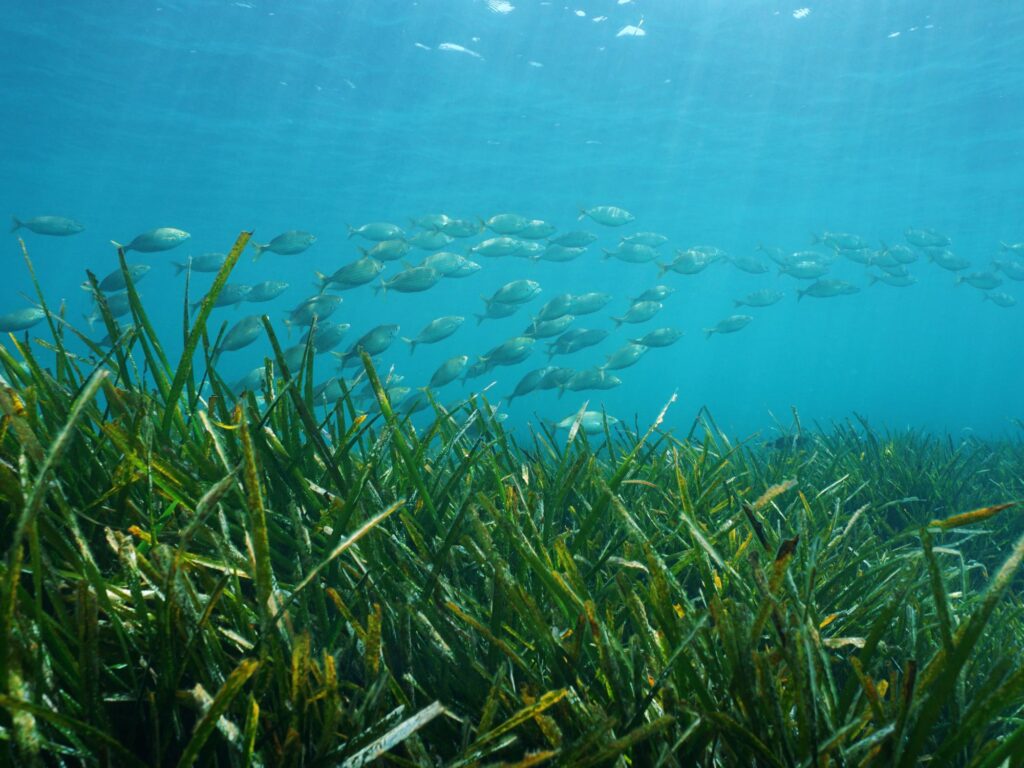
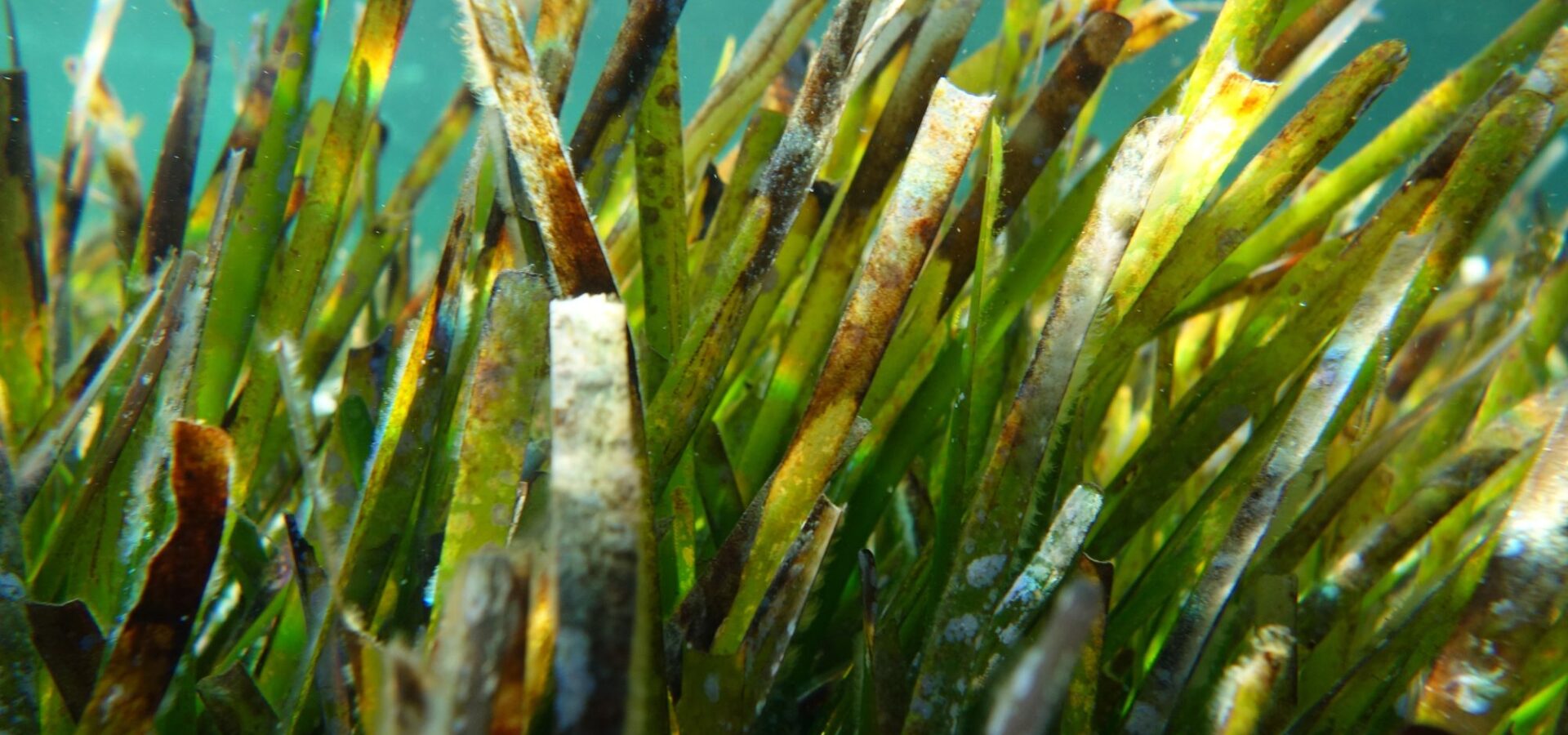
According to the Petit Robert, posidonia is "an aquatic plant of the Mediterranean, with ribboned leaves and yellowish flowers, which grows on the seabed forming vast herbariums". In other words, it's endemic to our beautiful Var coastline, and unlike a simple seaweed, forms bushes commonly known as "herbiers".
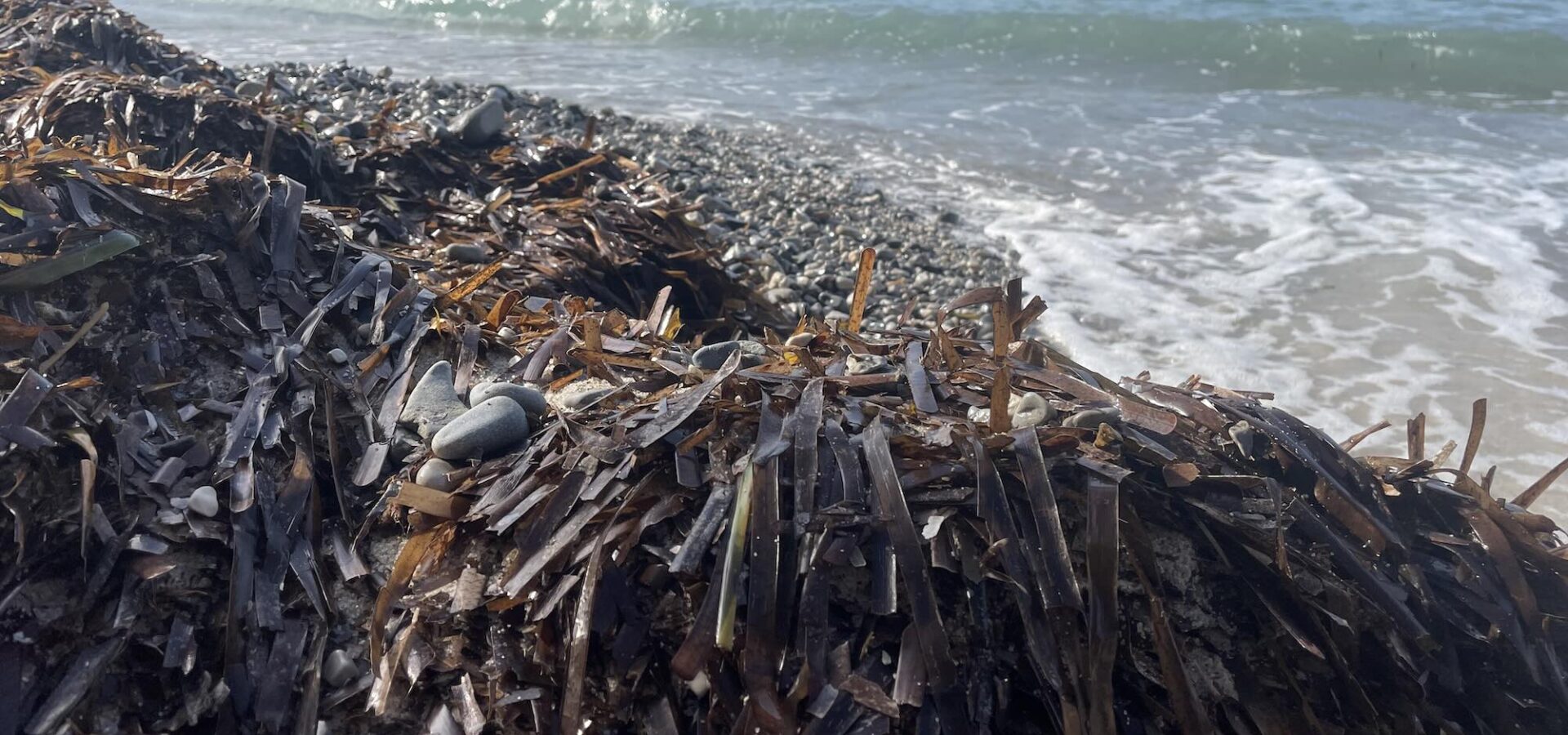
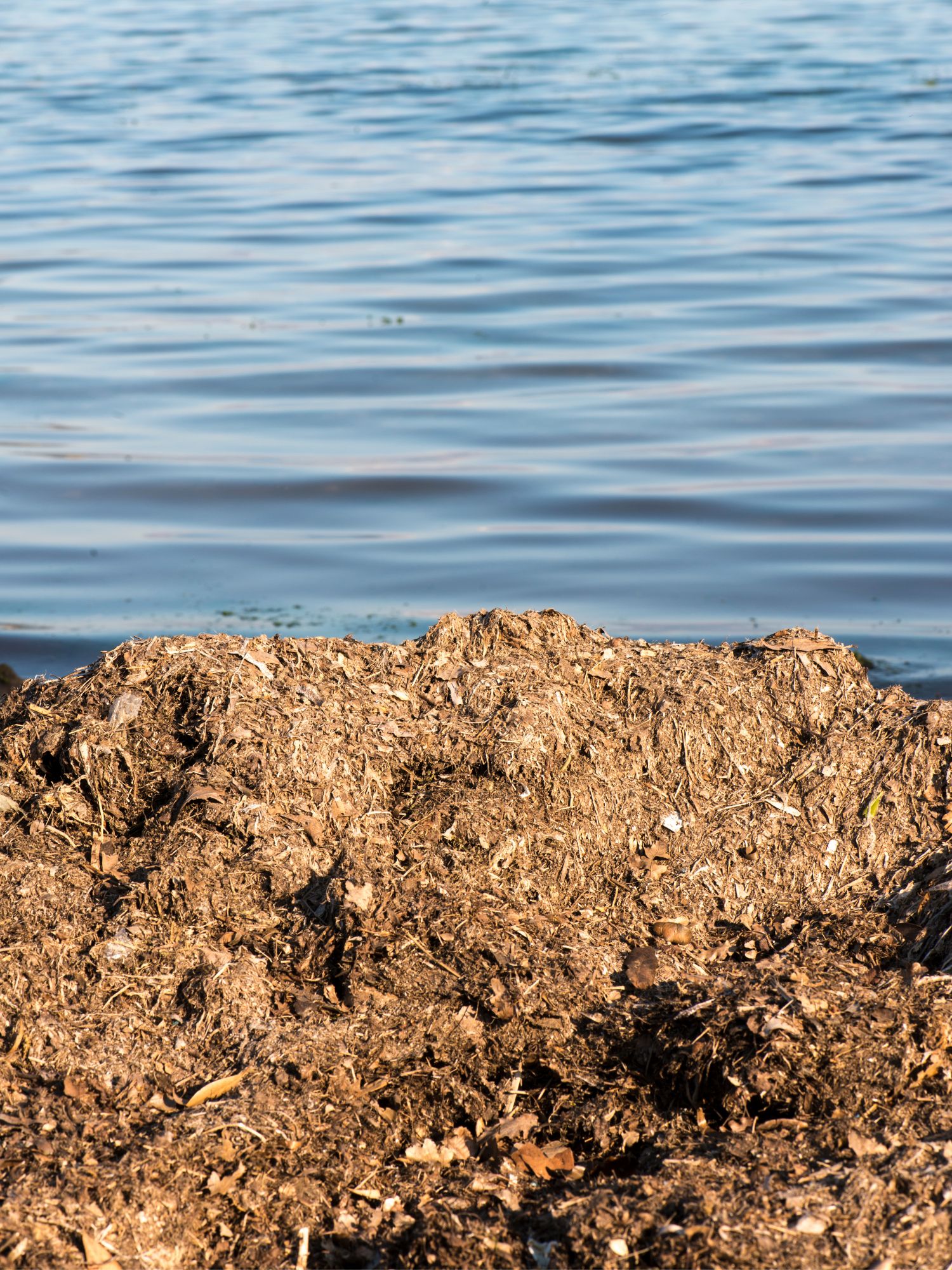
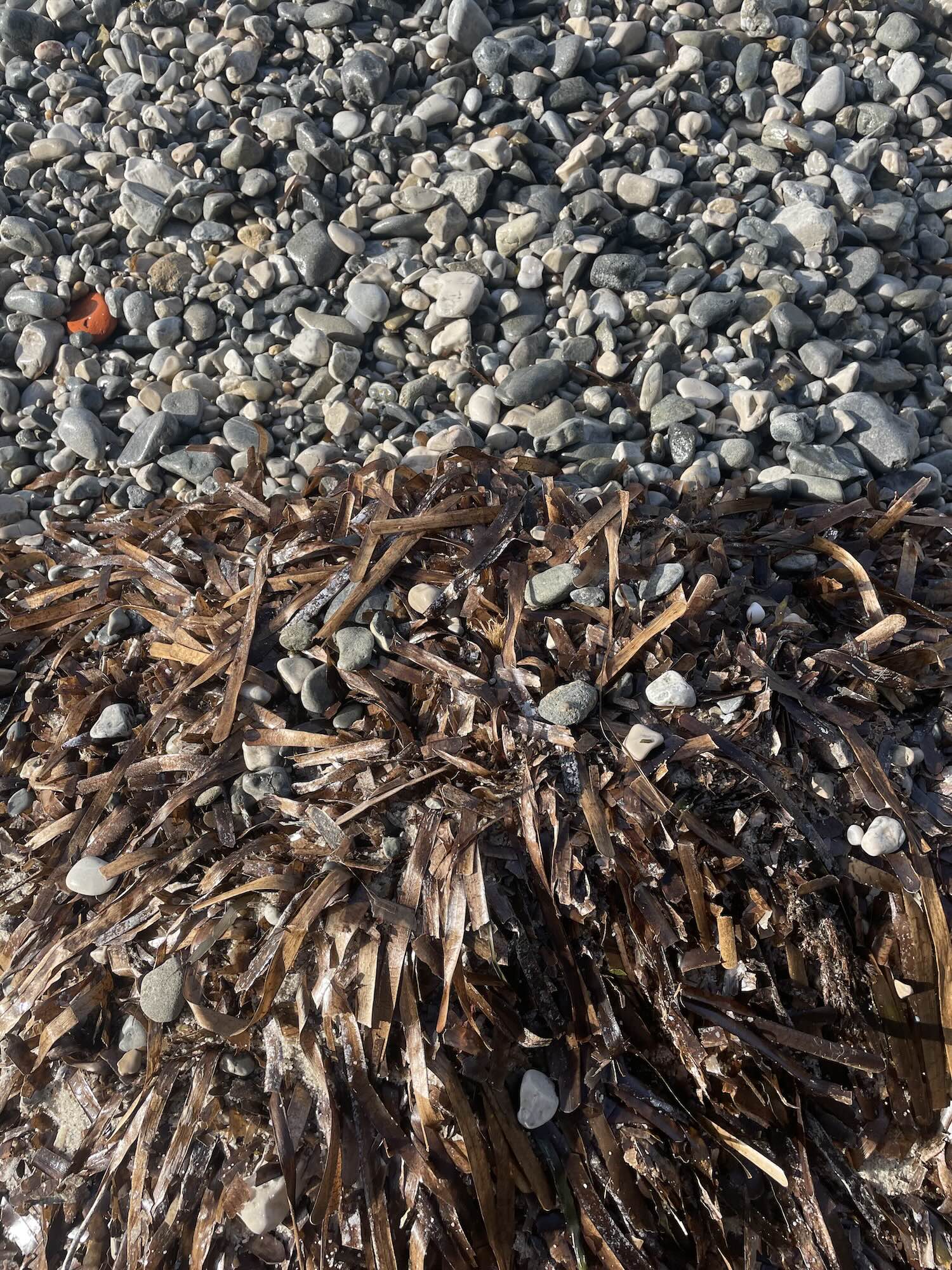
Its other particularity lies in the fact that every autumn, after living under the water's surface all season long, its "leaves" detach themselves to come ashore on our beaches. Whether sandy or pebbly, our bays are decorated with soft cushions of posidonia. Although children love to walk on them, some holidaymakers may be disconcerted at no longer recognizing their beloved beach. And yet, it's precisely thanks to posidonia that our Var coastline will still be there in years to come...
What is the role of posidonia?
Posidonia has many advantages...
Underwater, this seagrass, and more specifically the beds it forms, are quite simply the favorite larder of Mediterranean fish. Seabream, bream, sauper and many other species depend on this food resource. What's more, its long stems make it an ideal place to shelter and protect the eggs of marine fauna. In short, Posidonia is both the market and nursery for an entire ecosystem.
On the beaches, that's where it gets interesting, at least for us. Posidonia is our coast's first line of defence against erosion. The banks it forms over the autumn and winter months form a barrier against the elements. That's why, if we want to enjoy our beaches for many years to come, it's important, indeed crucial, to protect this very special plant.
Good to know: it's generally said that the presence of posidonia in Var bays is a sign of the Mediterranean's good health. And it's easy to see why, since if it's there, it means fish can reproduce and our coasts can withstand the elements.
How can we protect posidonia?
As you can see, posidonia is a marine treasure that we all - locals and holidaymakers alike - need to protect. And to do so, there are a few simple things we can all do:
- Anchoring your boat: avoid dropping anchors in seagrass beds. Its drag and landing cause irreversible damage to Posidonia beds. On the menu: uprooting and destruction of a potential nursery... Not to mention areas where anchoring is simply forbidden. In which case, you risk a fine as steep as the Mediterranean. So opt for open areas or the ecological anchorages offered by an increasing number of municipalities in the Var region.
- Respect underwater: if you or your little ones want to go snorkelling, the Posidonia meadows will be your paradise. But don't touch the grass, rocks or marine life. Put on your mask and snorkel and enjoy the sublime scenery and the magnificent spectacle of everyday life beneath the surface!
- Common sense on earth: even if seagrass hides your beloved fine sand, it's not a good enough reason to destroy or remove it. Nature is like that: it settles where it pleases and gives us what it wants. But rest assured, other activities are still possible on the beach, such as racing the kids on the ultra-soft benches or simply reading a book while listening to the surf. The good news is that you won't even need a mattress, even on the pebbled coves!
Good to know: the law of July 10, 1976 on the protection of nature and the decree of July 19, 1988 on the list of protected marine plant species stipulate that it is forbidden to destroy, peddle, offer for sale, sell or buy and use all or part of the plant, whether alive or dead. That's why seaside destinations don't remove it from beaches, and try to let it decay naturally as much as possible.
Posidonia is fantastic! And to ensure that the coasts of Provence Sud Sainte Baume continue to teem with fish for many years to come, and that future generations can continue to enjoy the beaches of Bandol, Sanary-sur-Mer and Saint-Cyr-sur-Mer, it's important to protect this typical local seaweed. What's more, it makes for some pretty cool photos!